Article Body
Date & Time: May 29, 2025, 8:30 PM IST
Author: NewzReport Digital

A federal judge has delivered a significant blow to the Trump administration’s efforts to bar Harvard University from admitting international students, ensuring that the Ivy League institution can continue to welcome scholars from around the world while legal proceedings continue.
Court Blocks Controversial Ban

On Thursday, U.S. District Judge Allison Burroughs extended a preliminary injunction that blocks the Department of Homeland Security (DHS) from revoking Harvard’s certification to enroll foreign students. This move comes after the Trump administration, citing concerns over campus antisemitism and alleged ties to foreign entities, attempted to strip Harvard of its ability to admit non-U.S. students—a policy that would have forced thousands to transfer or lose their legal status in the United States123467.
Harvard, which enrolls nearly 7,000 international students—about a quarter of its student body—argued that the administration’s actions were an unprecedented attack on academic freedom and a retaliatory response to the university’s refusal to comply with broad federal demands for information and governance changes167. The university’s legal team described the DHS move as “devastating,” warning it would harm not only students but also the institution’s global standing and research partnerships.
Legal and Political Battle Intensifies
Judge Burroughs’ ruling maintains the status quo, allowing Harvard to continue admitting international students while the case is litigated. The judge emphasized the irreparable harm such a ban would cause, echoing concerns raised by Harvard’s lawyers and students who feared visa denials and academic disruption47. The Trump administration, meanwhile, has signaled it will continue to pursue administrative measures and has floated the idea of capping foreign student admissions at 15 percent78.
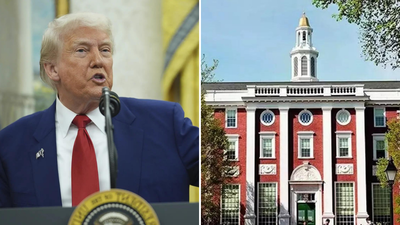
The legal fight highlights broader tensions between the Trump administration and elite universities, with accusations of political retaliation and threats to academic independence. The outcome of this case could have far-reaching implications for international education and U.S. higher education policy.

Comments